Action Areas:
Learning Themes:
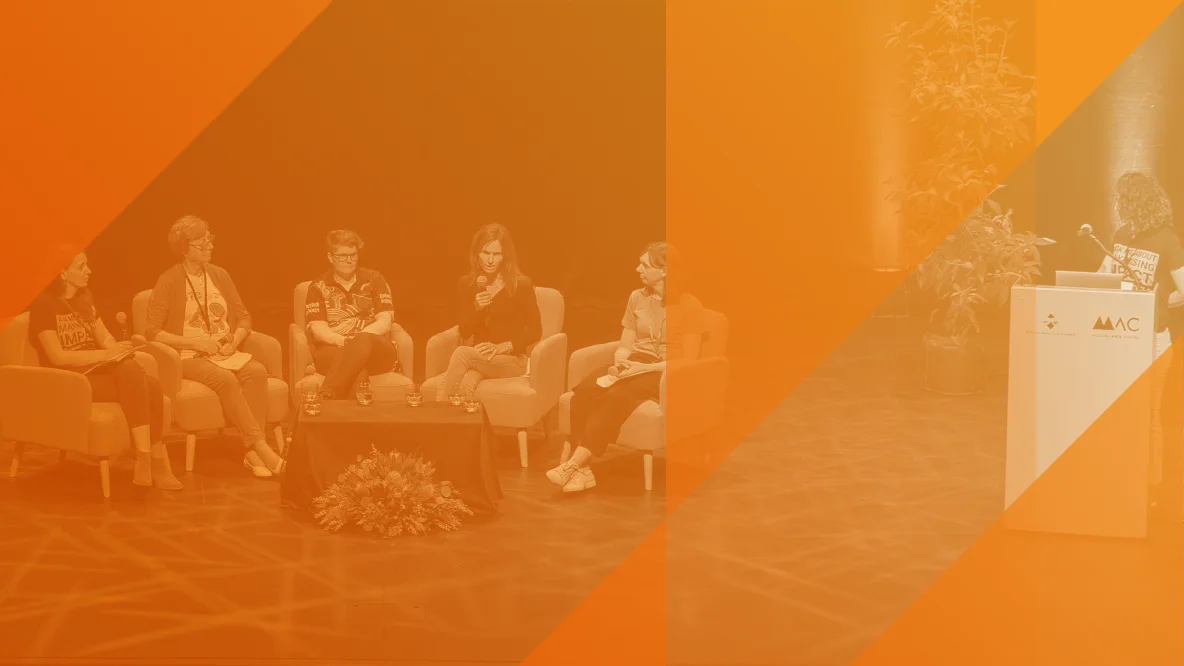


This session was a beautiful example of what's possible when government and community organisations genuinely share power and work together — and when a community organisation with deep roots in place takes the lead.
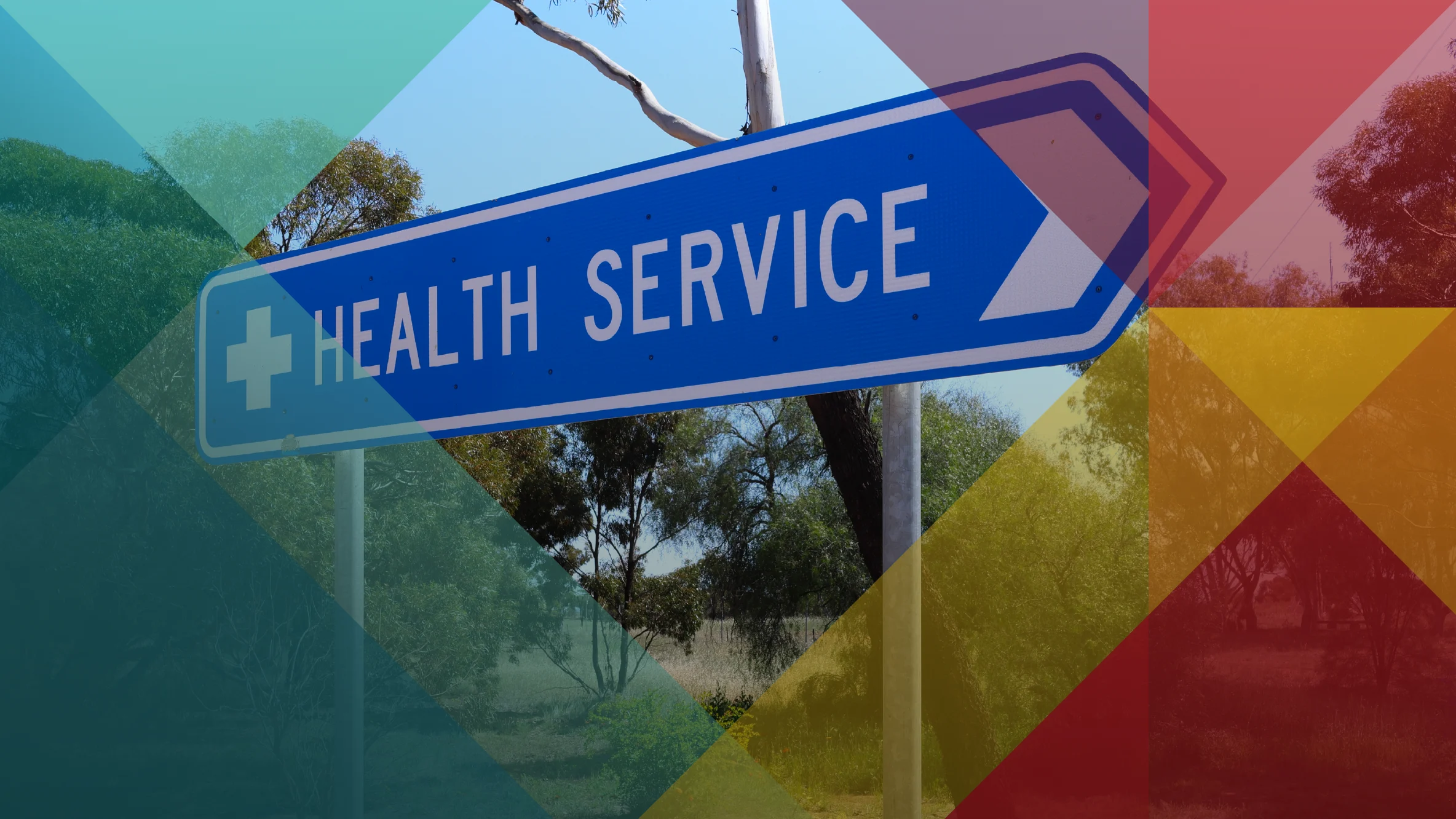
Flora, Mandy and Janne brought us into the story of the Access to Health Services (A2HS) Project, working to improve health service access in rural and remote communities across north and northwest Tasmania. At the heart of it: the Beaconsfield Neighbourhood House, a 30-year-old community development organisation whose purpose — supporting people, connecting community, creating opportunity, developing local leadership — wasn't just aligned with the project. It was the project.
Going slow to go fast. Before a single priority was set, the team spent a year simply listening. What emerged from community was real and specific: peer support for older residents (Silver Mentors), chronic disease awareness, and community transport. Not programs designed elsewhere and delivered in. Programs shaped by and for the people who need them.
The conversation in the room picked this up and ran with it — particularly the idea of planning for obsolescence. Succession isn't an afterthought; it's how you embed genuine community ownership from the start. Hayley added a useful dimension from the government side: this kind of work doesn't just change communities, it changes departments — helping people inside government understand the real barriers to service delivery, and generating interest that travels across teams and hierarchies.
We also sat with the question of place in different contexts — what does community-led change look like when "community" isn't defined by geography? The distinction between community of place and community of interest opened a rich and unresolved conversation about working with more transient urban populations, and how to hold the relational nature of this work when roots are shallower.
What participants took away: *"It was great to see an initiative that shows how government, community organisations, and the wider community can work in synergy."
"Governments should be investing in this kind of community development — it should be business as usual."
"Loved the focus on building relationships, not just collecting data, and thinking about sustainability and succession right from the beginning."*
Resources shared The presentation, video and West Tamar A2HS Plan are available here
The conversation also surfaced some work underway in South Australia: • Pirie Voices •Community Connections Program • How to Embed Learning Systems in Social Services
